
Mold Remediation in Draper & Northern Utah
Professional mold removal and remediation for homes and businesses across Draper, Salt Lake County, and the Wasatch Front.
Finding mold in your home or business usually means there is a moisture problem somewhere nearby. A plumbing leak, roof leak, previous water damage, basement moisture, or even seasonal snowmelt can give mold the conditions it needs to grow. Summit Restoration provides professional mold remediation from our home base in Draper, serving property owners throughout the Salt Lake City area and Northern Utah. We inspect visible mold and moisture concerns, contain affected areas, remove contaminated materials, and address the conditions contributing to mold growth.

What Causes Mold Growth in Northern Utah?
Utah's relatively dry climate doesn't make properties immune to mold. Mold growth indoors is usually tied to a specific source of excess moisture rather than outdoor humidity alone.
Common causes we encounter include:
Plumbing leaks and burst pipes
Roof leaks
Water and flood damage
Basement and crawl space moisture
Bathroom and kitchen moisture buildup
Poor ventilation and condensation
Spring snowmelt and water intrusion
Foundation leaks
Moisture caused by freeze-thaw cycles
Previous water damage that wasn't completely dried
The key to successful mold remediation isn't simply cleaning what you can see. The affected materials and underlying moisture problem also need to be addressed.
Common Mold Issues We Address
If you’re unsure whether mold is present, our team can inspect your property and help determine next steps.

Residential & Commercial Mold Remediation Services
Summit Restoration provides professional mold remediation for homes and businesses throughout Draper, Salt Lake County, the Wasatch Front, and Northern Utah. Mold can develop anywhere excess moisture is present — from bathrooms, kitchens, basements, crawl spaces, and attics in homes to offices, retail spaces, rental properties, and other commercial buildings. Plumbing leaks, roof leaks, flooding, condensation, and previous water damage are all common sources of moisture that can lead to mold growth. Our team handles the full remediation process, including mold inspection and assessment, containment of affected areas, safe mold removal, HEPA filtration and air cleaning, removal of contaminated materials when necessary, and moisture source identification.
For commercial properties, we understand that mold can also disrupt employees, tenants, customers, and day-to-day operations. We work to keep the affected area controlled while safely addressing the contamination and underlying moisture concerns. Whether you're dealing with visible mold in a Draper home or a larger mold issue at a commercial property along the Wasatch Front, our goal is the same: remove the contamination, address the moisture problem, and help reduce the risk of mold returning.

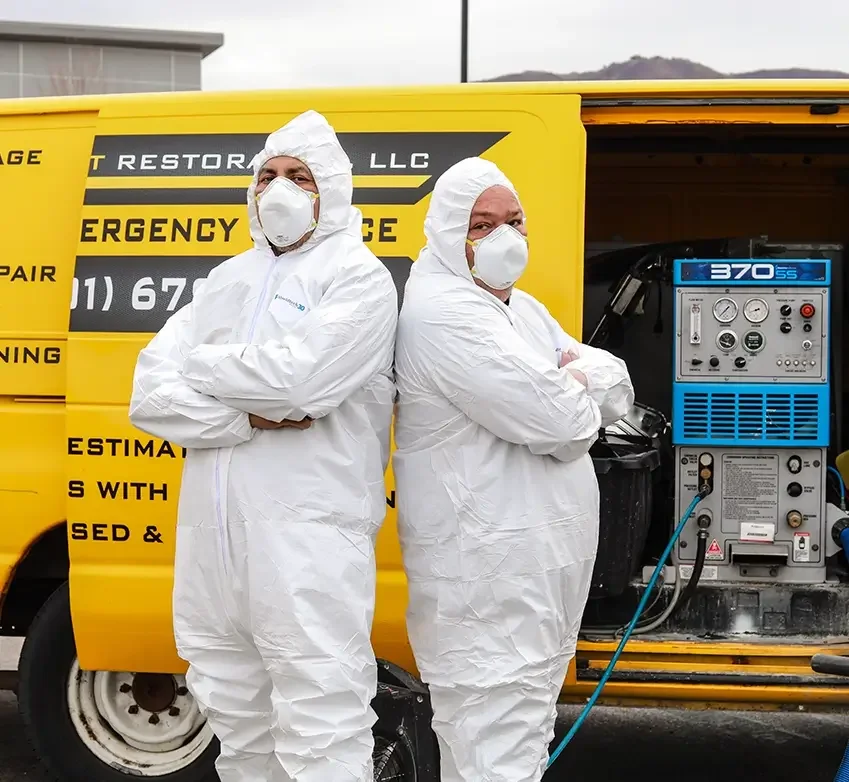
Mold inspection and assessment

Containment of affected areas

Safe mold removal and cleanup

HEPA filtration and air cleaning

Removal of contaminated materials when necessary

Moisture source identification and recommendations

Mold Inspection & Moisture Detection
We inspect for visible mold, water damage, and moisture concerns while using moisture detection equipment to help identify affected materials and hidden problem areas.

Mold Containment & Negative Air Pressure
Affected areas are isolated with containment barriers, negative air pressure, and HEPA-filtered equipment when appropriate to help prevent cross-contamination.
Mold & Contaminated Material Removal
Mold-affected materials are professionally cleaned or removed as needed, including contaminated drywall, insulation, flooring, and other porous materials that cannot be safely restored.

HEPA Air Cleaning & Antimicrobial Treatment
HEPA filtration helps capture airborne particles during remediation, while appropriate antimicrobial treatments may be applied to affected surfaces after physical mold removal.

Dehumidification & Structural Drying
When excess moisture is present, professional drying and dehumidification equipment is used to dry affected materials and help prevent future mold growth.

Moisture Control & Mold Prevention
We identify contributing moisture concerns and recommend next steps for leaks, ventilation, drainage, or humidity control to help reduce the risk of mold returning.
Our Mold Remediation Process

DIY Mold Removal, Health Concerns & When to Call US
Small amounts of surface mold caused by minor household moisture may sometimes be manageable, but DIY mold removal has limitations.
Larger or recurring mold problems can require professional containment, HEPA filtration, negative air pressure, and removal of contaminated building materials. Scrubbing, sanding, or tearing into a significant mold-affected area without proper containment can disturb the contamination and spread particles beyond the original area.
Cleaning visible mold also doesn't solve the problem if a plumbing leak, roof leak, hidden water damage, or another moisture source is still present. Indoor mold can affect people differently. Public-health guidance notes that mold exposure may contribute to nasal stuffiness, coughing, wheezing, and eye or skin irritation, particularly among people who are sensitive or allergic to mold.
Some molds can produce substances known as mycotoxins, but the color or appearance of mold doesn't tell you whether mycotoxins are present or whether a specific health symptom was caused by mold. Health concerns should be discussed with a qualified healthcare professional rather than diagnosed based on the appearance of mold. If mold covers a larger area, keeps returning, is hidden behind building materials, or developed after significant water damage, having the property professionally inspected before disturbing the area can help determine the appropriate next step.

Black Mold, Hidden Mold & Common Problem Areas
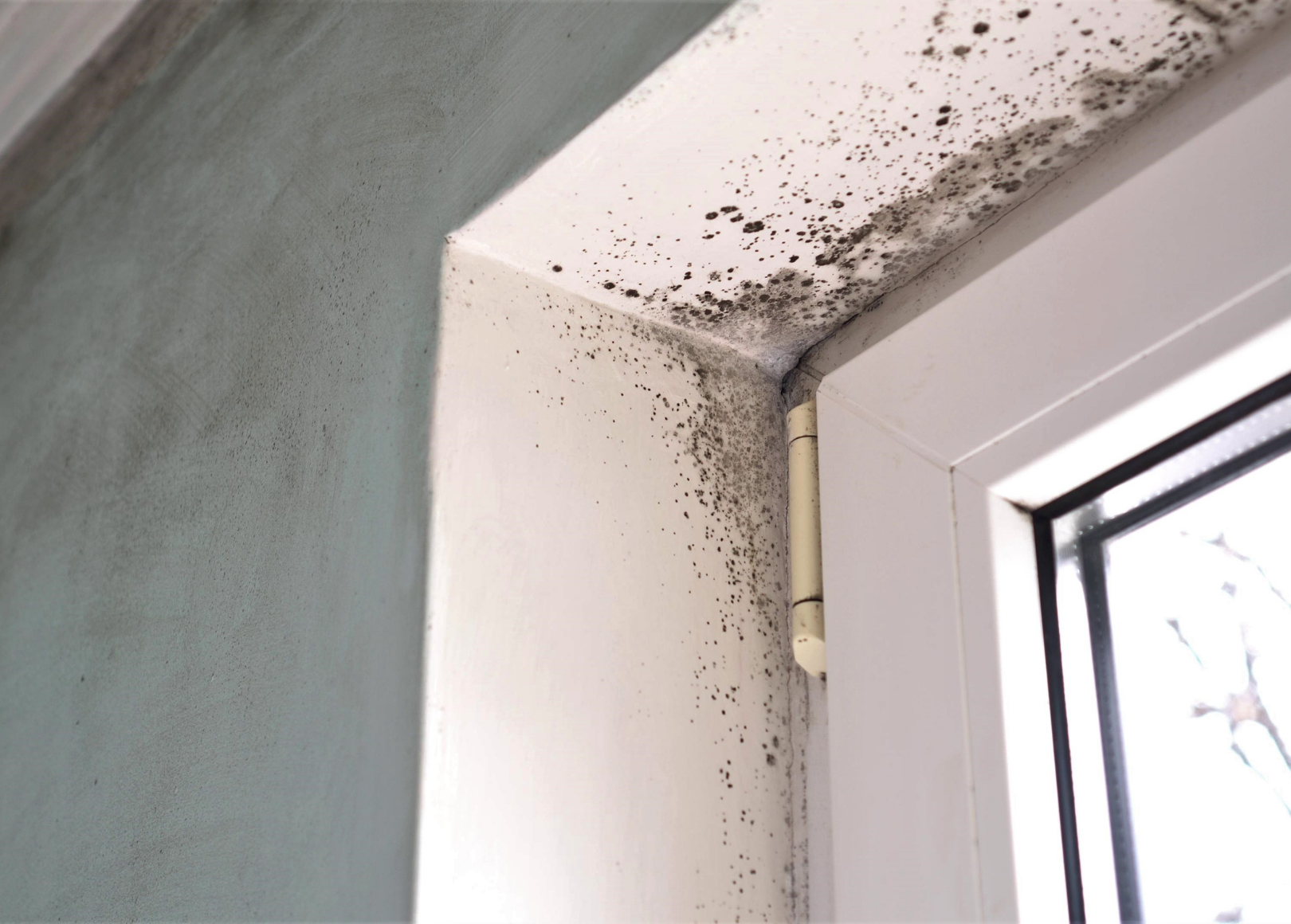
Mold isn't always easy to spot. It can develop behind drywall, beneath flooring, inside crawl spaces and basements, or around HVAC equipment before there are obvious signs inside the property. Black mold gets particular attention from homeowners. The term is commonly associated with Stachybotrys chartarum, but mold species cannot reliably be identified by color alone. Several types of mold can appear black, dark green, or brown. If identifying the specific mold is necessary, an independent environmental testing company can collect and analyze samples.
Basements and crawl spaces are also common problem areas. Foundation moisture, plumbing leaks, groundwater, condensation, and drainage issues can affect framing, insulation, and subflooring. Here in Northern Utah, spring snowmelt and repeated freeze-thaw cycles can create additional seasonal moisture concerns around foundations and lower areas of a property. Mold can also remain hidden after a slow plumbing leak, roof leak, appliance failure, or previous water damage. Moisture detection equipment can help identify areas behind walls and beneath flooring that warrant further investigation. When porous materials are heavily contaminated, drywall removal or removal of affected insulation, flooring, and other materials may be necessary.
Mold found around HVAC equipment or ductwork deserves additional attention because heating and cooling systems move air throughout a building. This doesn't automatically mean the entire HVAC system is contaminated; the source and extent of the problem should be evaluated before determining the appropriate remediation scope. Whether you're seeing black mold, noticing a musty odor, or suspecting hidden mold, the priority is to identify the affected area, control the moisture source, prevent contamination from spreading, and safely remove materials that cannot be restored.
Why Choose Summit Restoration in Draper & Northern Utah?
Summit Restoration is based in Draper, Utah, providing professional mold remediation for homes and businesses throughout Salt Lake County, the Salt Lake City area, the Wasatch Front, and surrounding Northern Utah communities. Although Utah has a relatively dry climate, local properties still face plenty of moisture problems. Winter freezes can contribute to burst pipes, repeated freeze-thaw cycles can expose weaknesses around foundations and exterior materials, and spring snowmelt can create seasonal water intrusion. Plumbing leaks, roof damage, condensation, flooding, and previous water losses can create additional opportunities for mold to develop year-round.
As a licensed, insured, and IICRC-certified restoration company, Summit Restoration provides physical mold inspections and moisture detection, professional containment, negative air pressure when appropriate, HEPA filtration, mold removal, contaminated material removal, antimicrobial treatment when appropriate, dehumidification, structural drying, and mold prevention recommendations. Because we also specialize in water damage restoration and property repair, our team can address more than the visible mold when a larger water-loss or restoration issue is involved. Our goal isn't simply to clean what you can see. We work to remove the contamination, identify the moisture conditions contributing to it, and help reduce the chance of mold returning.

Mold Remediation Cost & Insurance Coverage
There isn't a standard mold remediation cost that applies to every property. The scope and price depend heavily on where the mold is located and how extensively the building has been affected. Factors that can influence cost include the size and accessibility of the affected area, containment requirements, contaminated materials that need to be removed, structural drying or dehumidification needs, underlying water damage, and repairs required after remediation.
For example, an accessible area of surface contamination will have a very different scope than mold behind multiple walls, throughout a basement, or inside a crawl space. Homeowners insurance may cover mold remediation in certain situations, but coverage typically depends on what caused the mold. Mold resulting from a sudden covered water-loss event may be handled differently than mold associated with a long-term leak, maintenance issue, or ongoing moisture problem.
When insurance coverage may apply, Summit Restoration can help document the mold and water damage, provide information about the remediation scope, and communicate with your insurance provider during the claims process. Final coverage decisions depend on your individual policy and insurance carrier.
Client Testimonials
“My husband and I loved the work they did after I found mold in my house that I just bought. Ryan and the other workers that came to my home were so friendly and professional. The women that work in the office are so very helpful and nice. We thank you very much for helping us in our home. Ryan, thank you.”

Serving Homes and Businesses Across Northern Utah
Summit Restoration provides professional mold remediation services throughout Northern Utah and surrounding communities. If you’re concerned about mold, our team is ready to help.
Concerned About Mold in Your Property?
If you've discovered visible mold, a musty odor, or signs of hidden moisture, getting the affected area inspected is the first step toward understanding the problem. Summit Restoration provides professional mold remediation in Draper, Salt Lake City, and communities throughout the Wasatch Front and Northern Utah.
Contact Summit Restoration to schedule a mold inspection and get clear next steps for your property.